Physical Fitness
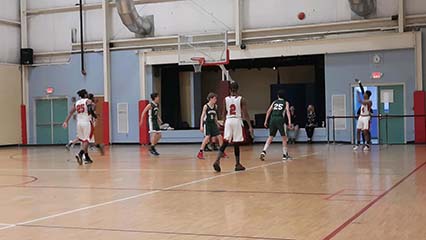
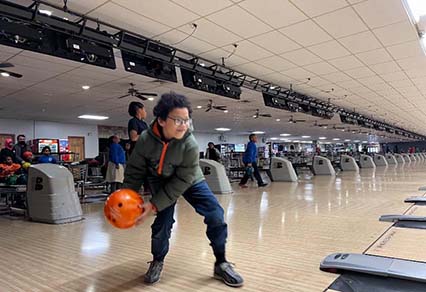
Exercise is essential for maintaining health, improving fitness, and preventing a sedentary lifestyle. Regular physical activity boosts scholars’ focus, well-being, and happiness. In CYSP, scholars must complete physical fitness hours outside of school routines, either at home or with their group; this category is mandatory for most (optional for seniors), worth 3 points, and allows up to 50 hours annually. Physical fitness also supports social-emotional learning by enhancing overall well-being.
Core Components
Self-Awareness
Self-Management
Social Awareness
Relationship Skills
Responsible Decision-Making
Emotional Regulation
Confiendce and Self-Esteem
Personal Physical Activities
CYSP promotes physical fitness as part of a holistic approach to developing students’ physical, social, and emotional well-being. Physical fitness hours must be completed outside of regular school routines and are mandatory for most students (optional for seniors), worth 3 points, with up to 50 hours allowed per year. Advisors may guide students on healthy habits, including nutrition and staying active—such as aiming for 10,000 daily steps—and encourage activities like sports, biking, or jogging to support self-management skills.
Logbook Entry:
Scholars enter their physical fitness information in their PowerSchool student account under “Personal Physical Activities”.