
Educational Adventures
Educational adventures can be closely tied to the CASEL (Collaborative for Academic, Social, and Emotional Learning) framework as they offer a holistic learning experience that encompasses several of its components:
Core Components
CASEL Framework Alignment
CYSP believes that educational adventures can align with the CASEL framework by providing opportunities for scholars to develop self-awareness, self-management, social awareness, relationship skills, responsible decision-making, emotional regulation, and confidence. These experiences contribute to scholars’ holistic growth and support their academic, social, and emotional development.
Overnight Activities
Overnight activities are designed to strengthen relationships, provide enjoyable experiences, and promote skill development beyond the traditional classroom through a variety of CYSP activities such as test practice, community service, and extracurricular engagement. These school-organized events—including sleepovers and lock-ins held at various locations—require adviser or staff supervision and parent permission to qualify for official overnight points. While additional activities like test prep or tutoring during these events may be logged separately, they cannot be duplicated across categories. CYSP views overnight activities as a meaningful and well-rounded opportunity for scholars to grow personally, build connections, and develop skills in a supportive environment.
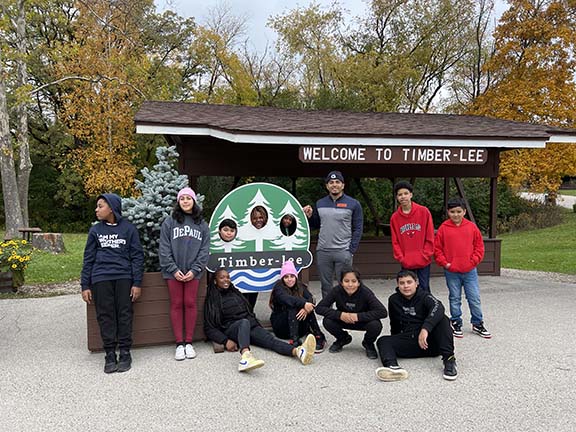
Advisers/school staff members should be present with the scholar in order for the activity to count as an overnight activity. Only school-organized events will count as overnight activities. All other activities completed during overnight activities and camps (such as test prep, tutoring, and physical fitness) can be logged in separately. One activity cannot be written twice under two different categories.
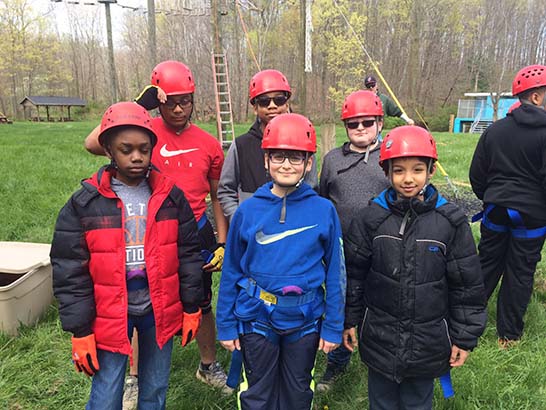
Overnight Activity Examples
The point value allocated to this category is 30 points. The maximum Overnight Activities entries allowed for each student are up to 10 nights throughout the school year.
Examples:
- School lock-in events (at least with 2 supervisors)
- Out-of-town camping trips sponsored by the school
- Focus study group on overnight activities
- Out-of-town college trips
- Out-of-state school events (e.g., MATHCON, CONSEF)
- All overnight activities must implement an educational component.
SEL Competencies:
Relationship Skills: Building relationships with their peers.
Logbook Entry:
Advisers will accompany students during these events, and they will record all overnight activity events in the CYSP tab.
Only Advisors can enter overnight activity information in the CYSP tab “College Trip (Out of Town)”, “Out of town trip”, or “Overnight Activity”.
If an out-of-town trip is two days or more, it will count as an overnight through the SIS system. Advisers or scholars just need to enter the number of trip days in CYSP logbooks as “Out of town trip” or “College Trip (Out of Town)”.
Cultural Exposure
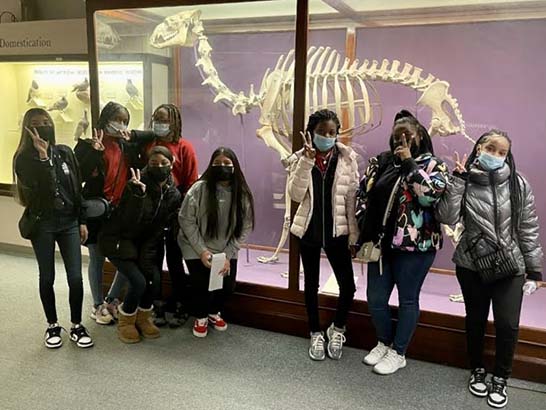
Cultural Exposure activities are a core principle of CYSP, designed to introduce scholars to diverse cultures while strengthening essential social-emotional learning skills needed to thrive as global citizens. Through participation in cultural events and visits to cultural centers, scholars learn to collaborate across differences, respect various traditions, and develop empathy, self-awareness, and effective communication in multicultural settings. Engagement in this category is mandatory for most scholars (optional for seniors), with up to 10 points available and a maximum of five entries per year, reinforcing CYSP’s commitment to developing well-rounded, globally minded individuals.
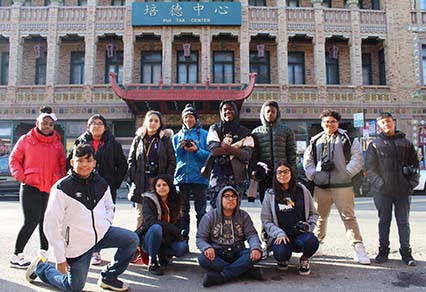
Cultural Exposure Examples
Examples:
- Attending cultural festivals
- Visiting Chinatown, Greektown, Chinese, Italian cultural centers/museums, etc..
- Attending Hispanic Heritage Celebration, Amish culture, African American culture, and Native American culture events.
- Visiting cultural centers
- International programs which are organized by the school, community, society
- Attending a cultural event hosted by the school
- Visiting museums that reflect different cultural backgrounds
SEL Competencies:
Social Awareness: Exploring diversity.
Logbook Entry:
Only the Advisor enters their intercultural activities information in their PowerSchool student account under “Cultural Exposure”.
Out Of Town Trips
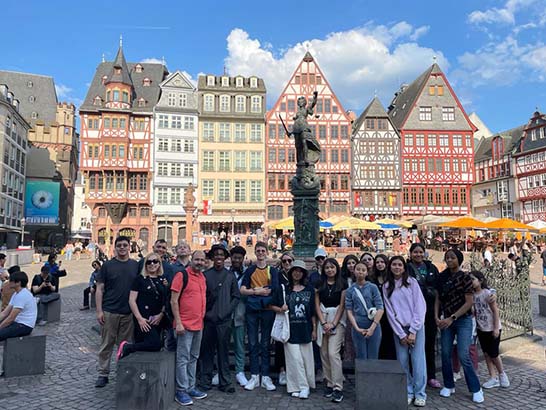
Out-of-town trips provide scholars with meaningful opportunities to explore new environments while strengthening social-emotional learning through increased curiosity, engagement, and cultural awareness. Research shows these educational journeys have lasting academic and career benefits by expanding scholars’ perspectives beyond their local communities. Organized by schools or advisors with proper supervision and parent permission, these trips extend beyond nearby metropolitan areas to broaden horizons, enrich learning, and support scholars’ personal and emotional growth.
Out Of Town Trip Examples
The point value allocated to this category is 20 points. The maximum Out of Town Trip entries allowed for each student are up to 8 times throughout the school year.
- Out-of-state or out-of-town day trips.
- Out-of-town trips to museums
- Out of town trips to symposiums, events, speakers, etc.
- Out of town landmarks and historical sites.
- Out-of-town subject-related competitions
SEL Competencies:
Relationship Skills: Building relationships with their peers. Team activity.
Logbook Entry:
Only advisors will enter out-of-town trip information in CYSP logbooks as “Out of town Trip”.
If the trip is an out-of-town college visit, it will count as both a college visit and an out-of-town trip through the system. Advisers just need to enter this information in the CYSP logbook as “College Trip (Out of Town)”.
In-Town Trips
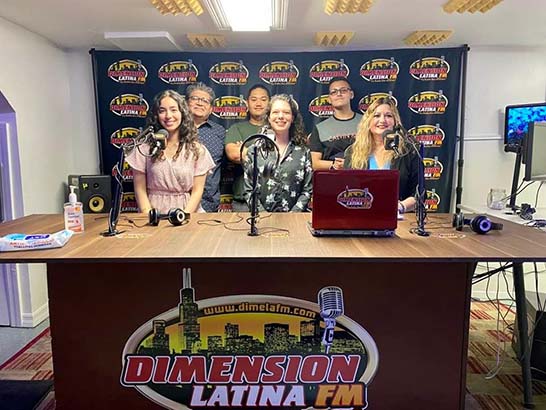
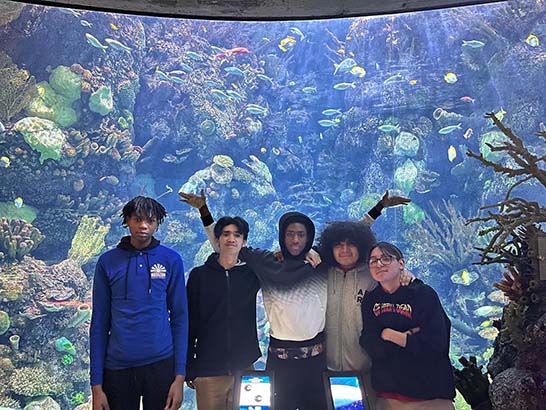
In-town trips provide scholars with meaningful opportunities to explore their local communities while strengthening social-emotional learning through community engagement, real-world connections, and enhanced social skills. These school-organized experiences—required for grades 4–6 and supervised by advisers with parent permission—help scholars better understand their cities by connecting classroom learning to practical experiences. This category is worth 8 points, with a maximum of four entries allowed per school year.
In-Town Trip Examples
Examples:
Any Field trip, like visiting museums, the zoo, or fairs in town
Not applicable: Sport Activities, Skating, Bowling, picnic, restaurant visit, etc.
SEL Competencies:
Relationship Skills: Building relationships with their peers. Team activity.
Logbook Entry:
Only advisors will enter in-town trip information in CYSP logbooks as “In-Town Trip”.
College & University Visits
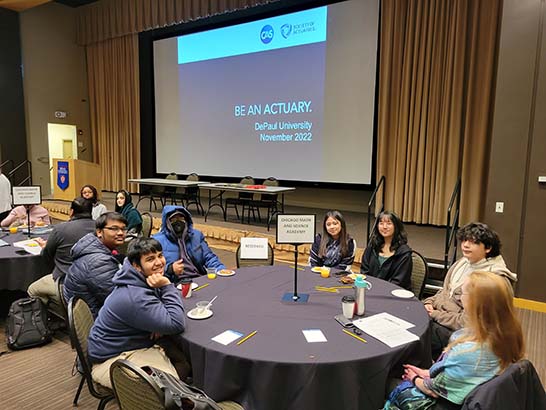
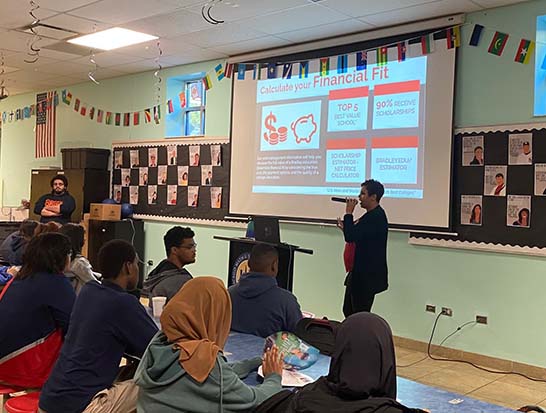
A well-planned college visit gives scholars the opportunity to explore campuses, academic programs, and student life while strengthening social-emotional learning through communication, relationship-building, and meaningful interactions. These visits help scholars ask questions, connect with peers, and gain a clearer understanding of their future educational paths. Participation is mandatory for high school scholars (optional for younger grades), worth up to 12 points, with a maximum of four entries per school year.
College & University Visit Examples
Examples:
- Visit a local college or university on your school trip.
- Visit a college or university with the CYSP group and advisor.
- Scheduled a college or university visit with parents/ guardians.
Not Applicable: Sports activities, Academic competitions, and taking courses at a college.
SEL Competencies:
Relationship Skills: Building relationships with their peers. Team activity.
Responsible Decision Making: Helping with college choices.
Logbook Entry:
Scholars can enter the scholars’ college trip information in their PowerSchool student account under “College & University Visits”.